
Welcome To The Forest Sober Living
Bridging the Gap Between Treatment and Real‑World Recovery
Welcome To The Forest Sober Living
Bridging the Gap Between Treatment and Real‑World Recovery


At The Forest Sober Living, we provide safe, structured, and compassionate homes in Arizona, Florida, New Jersey, Pennsylvania, Texas, and Wisconsin, where all individuals can rebuild their lives.
At The Forest Sober Living, we provide safe, structured, and compassionate homes in Arizona, Florida, New Jersey, Pennsylvania, Texas, and Wisconsin, where all individuals can rebuild their lives.

Our organization operates a drug-free environment, which preserves the dignity of residents and helps them gain personal freedom by taking responsibility for their actions as they return to independent living.
Sober Homes in Arizona, Florida, New Jersey, Pennsylvania, Texas, and Wisconsin
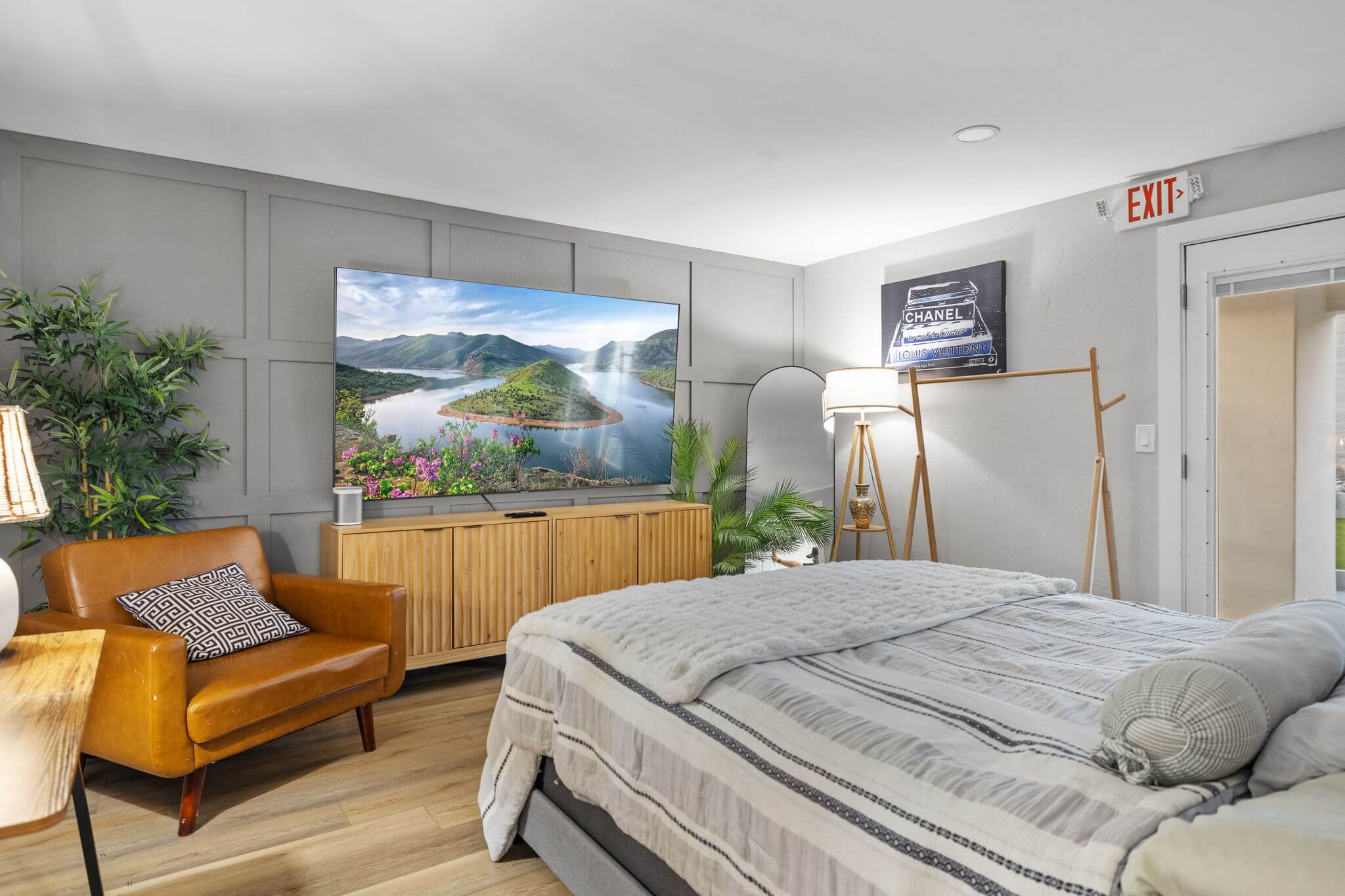
The Forest Sober Living provides support for those making the transition out of inpatient treatment and who require help learning how to live in the world again. Patients generally leave intense treatment with minimal post-treatment support, which may have a significant impact on their long-term sobriety. Our homes address those needs by providing structure, care, companionship, and purpose.
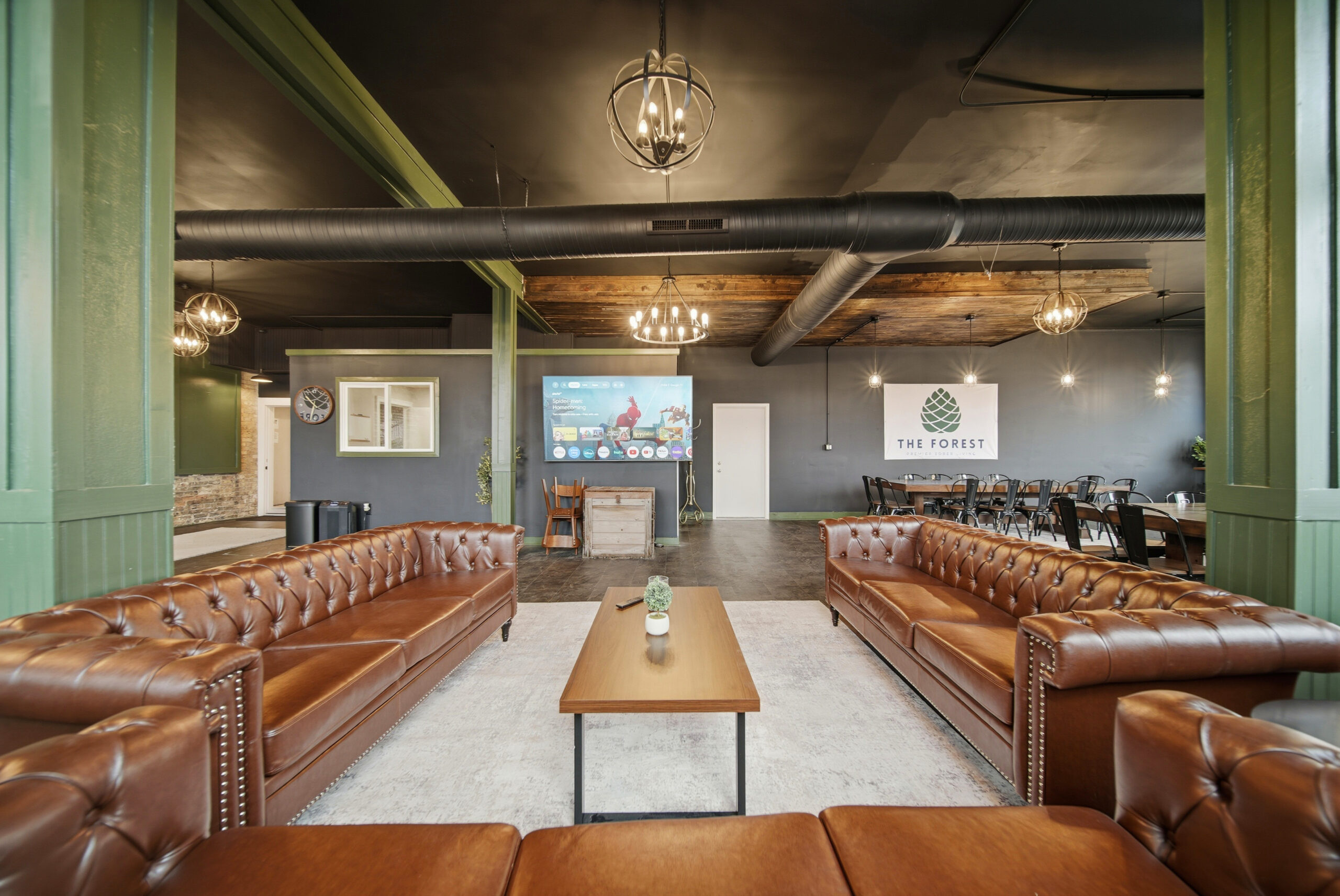
We aim to provide an uncomplicated process based around stability, relationships, and personal growth — areas that contribute to recovery. We operate beautifully designed homes in safe, upper-middle-class neighborhoods where people can heal and prosper. Every element of our recovery environment is designed to support our belief that recovery is part of a supportive environment, and that recovery needs a supportive environment that should feel like home.
Who We Serve
The Forest provides accommodation to men who have finished detox and primary treatment. Our homes help them develop friendships and maintain accountability. The men’s facilities operate with a daily routine that includes curfew regulations, work duties, and drug testing. House managers stay at the site while peer mentors who have completed their recovery program support the residents. This setting encourages residents to lean on one another as they work to rebuild trust, develop healthy habits, and pursue employment or education.
Our women’s homes function as protective environments that provide residents with a supportive atmosphere to heal and construct new life paths. Women experience unique recovery obstacles, having to balance household duties while dealing with previous traumatic experiences. The program provides residents with life skills training to develop resumes, learn financial management, time organization, and interview preparation for their path to self-sufficiency. Weekly house meetings encourage open communication for goal setting, and the women’s community fosters a space for female connection. The support staff collaborates with local therapists and outpatient programs to make sure that each resident’s individual needs are met.
Some people find success in settings that include male and female residents. The co-ed homes operate through mutual respect and shared responsibility between residents. Residents in these homes still follow structured routines and must adhere to the same rules around curfews, chores, and sobriety, but they also gain the opportunity to interact with people of different genders.
Every individual requires a recovery area that ensures their safety while offering acceptance. Our LGBTQ‑friendly homes create a protected space for residents to live authentically as themselves while being free from discriminatory treatment. The residential environments foster a sense of community, which enables residents to exchange their life stories while maintaining their personal uniqueness. By promoting inclusivity and understanding, we help break down the isolation that can hinder recovery for LGBTQ+ individuals.
Animals function as excellent comfort sources, which help people learn responsibility and develop regular daily habits. People who share their homes with pets regain their self-worth and develop emotional stability and responsibility. Our team works closely with each resident to ensure that both the animal’s well-being and the home’s harmony are maintained.
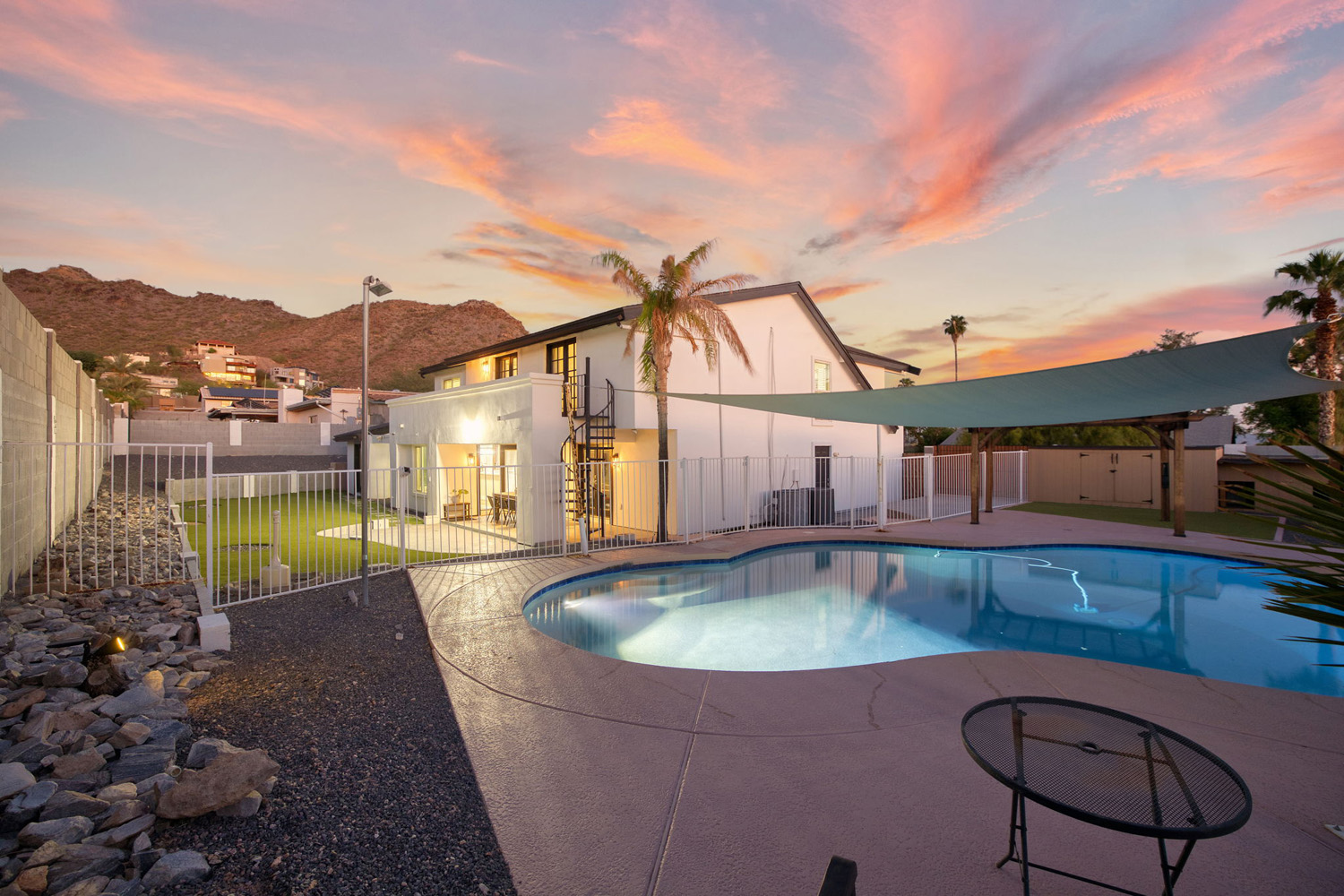
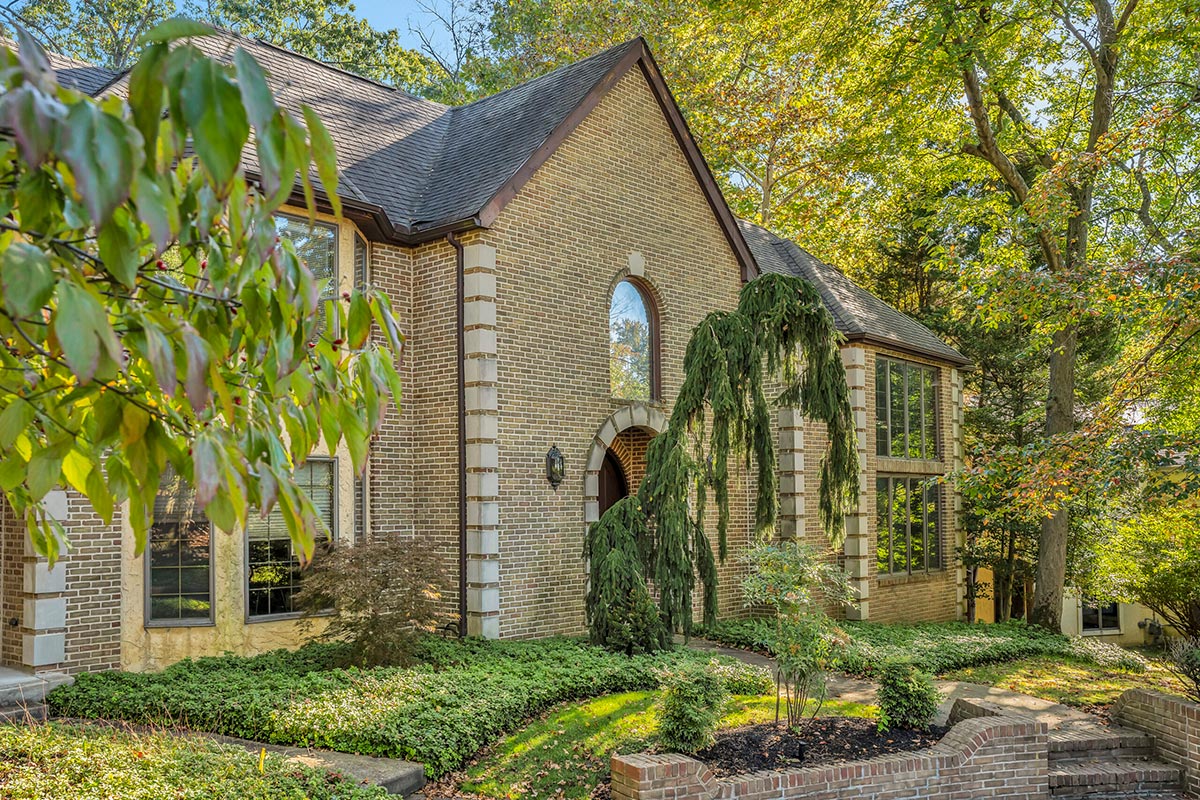
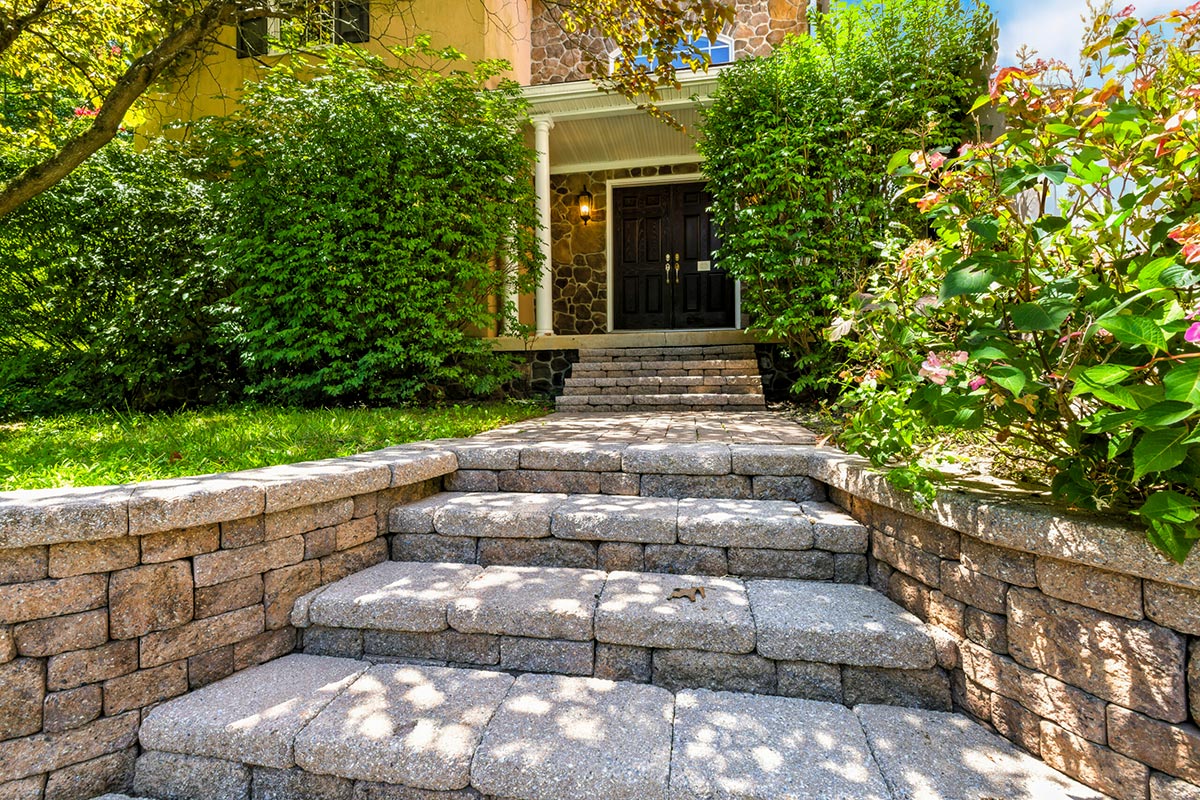
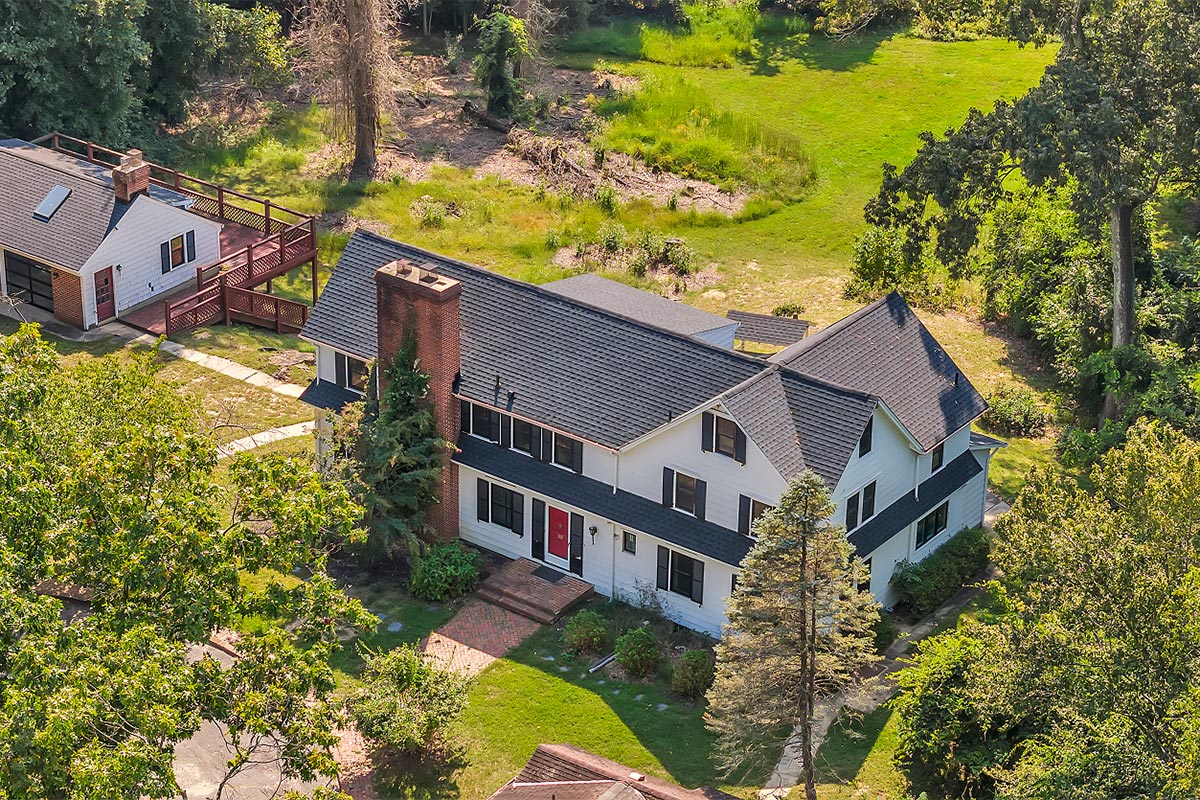
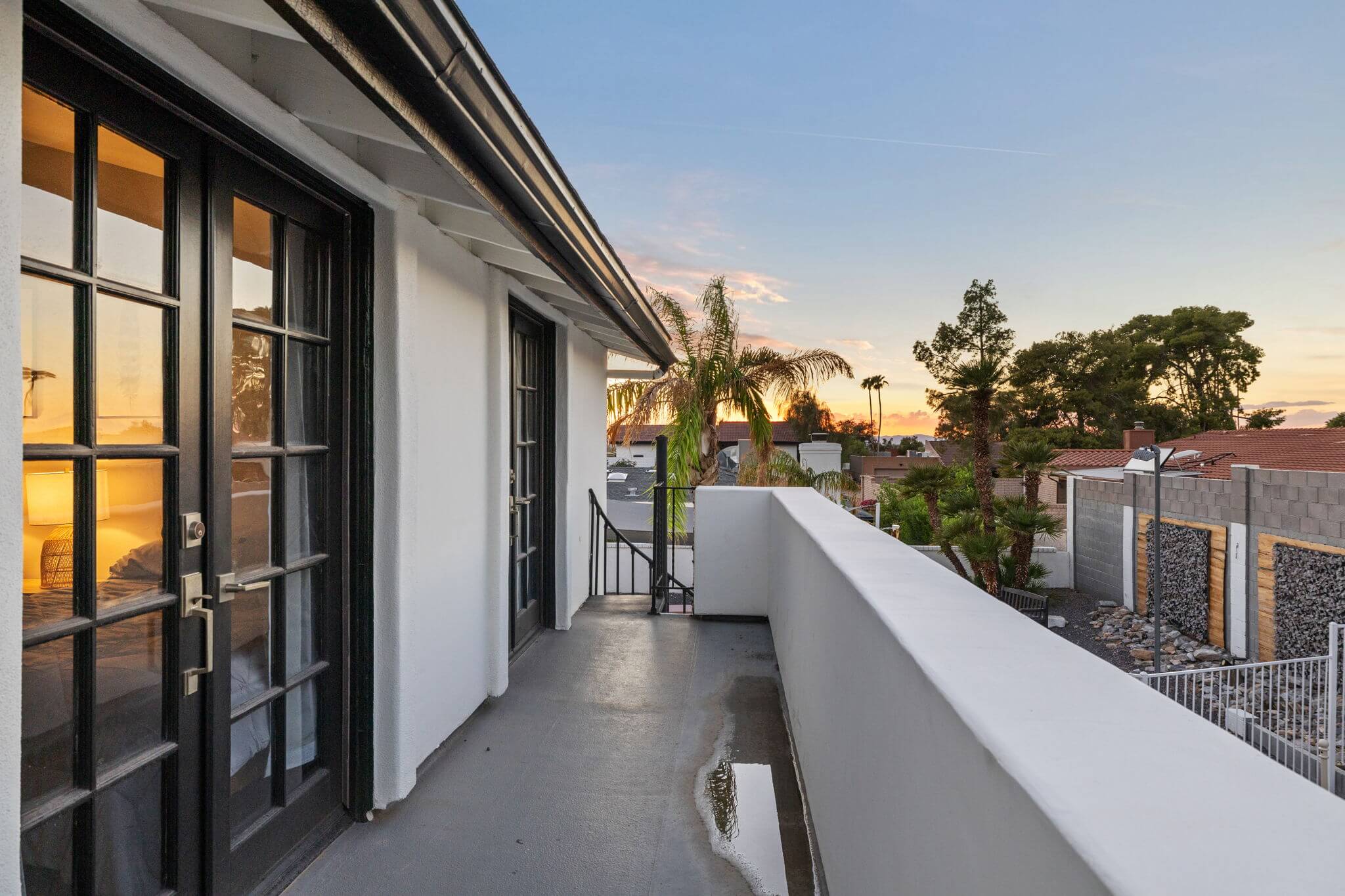
We operate thoughtfully designed homes across multiple states.
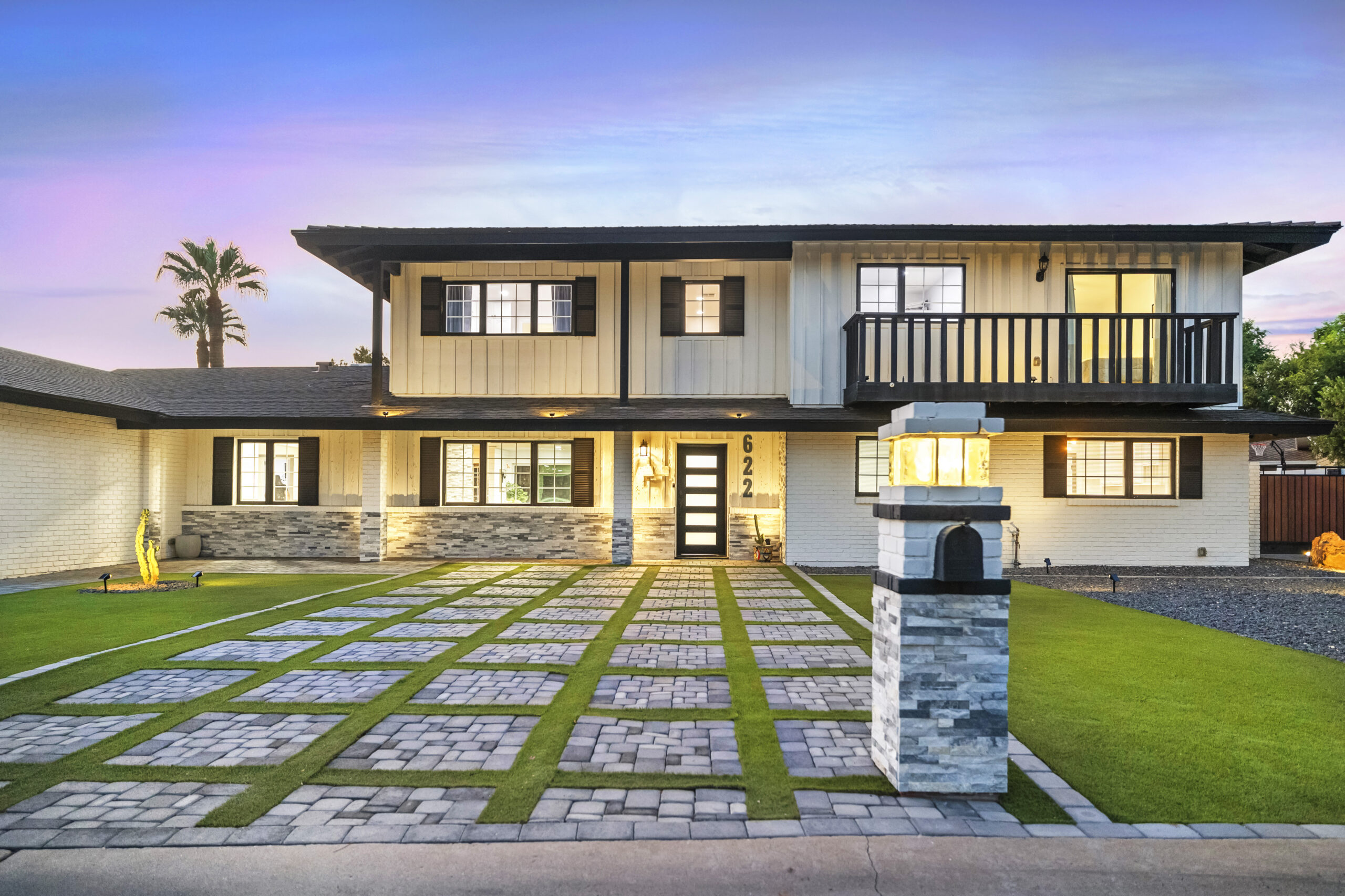
Arizona

How to Choose a Sober Living Home
Choosing a sober living home is a critical part of one’s recovery journey. Look for the following characteristics to make sure you or your loved one is safe and supported:
- A sober living home must remain fully substance-free, supported by regular testing to ensure residents stay committed to abstinence.
- A live-in site manager enforces house rules such as curfews and chores, and staff should be available 24/7 with peer leaders on hand for emergencies.
- Homes should encourage community through group outings, weekly meetings, and mentoring to help residents build sober, supportive relationships.
- Quality programs also teach practical life skills, including budgeting, resume preparation, and job-search support.
- The home must hold proper licenses or certifications, confirming it meets recognized ethical and quality standards.
- Operators should communicate clearly about fees, rules, staffing, and available support. Prospective residents should ask about staff coverage and the services provided.

Trusted & Certified
Trust is at the core of what we do. The Forest Sober Living is fully licensed and certified, complying with all regulatory requirements in the states where we operate. We uphold safety, ethical, and quality standards through these certification programs. We also align with municipal codes that govern sober living residences, ensuring that our homes meet requirements related to spacing, signage, fire safety, and zoning.
The selection of a certified provider ensures that residents and their families obtain care from a well-managed program that maintains ethical standards and ongoing improvement initiatives.
Our Editorial Standards
Our organization exists to deliver precise and dependable information about sober living and recovery services with deep empathy for those seeking help.
Editorial Policy
All content we publish undergoes thorough research to maintain both accuracy and reliability in our information. We verify all resources through a vetting process because we understand that trustworthy information about addiction recovery must follow current best practices.
Expert Contributors
Our articles and educational materials are created by professionals with experience in the recovery field, including medical doctors and individuals with lived experience. The selection process for contributors focuses on their specialized knowledge and their skill to explain intricate subjects through empathetic language that everyone can understand.
What is the difference between sober living facilities and rehabilitation centers?
The primary purpose of rehabilitation centers is to offer complete medical and therapeutic support to those who need help overcoming substance abuse and addiction. They provide an organized treatment model that combines counseling services with medication-assisted treatment and group therapy to support patients on their path to recovery from addiction.
Sober living homes function as transitional housing for individuals who have been through rehab or want to stay in a supportive environment while participating in outpatient care to stay sober. Sober living homes support these goals by giving residents a safe place to continue their recovery in a house with rules. Sober living homes provide less intensive care than rehab centers, but still give residents a community of support to help them stay sober. Sober living homes act as a transitional stage between rehab and living independently because they allow individuals to adapt to society while maintaining their sobriety.
How long can I stay?
Each individual’s length of stay is different. The program allows residents to remain in housing until they achieve stability while continuing to work or attend classes as they work toward self-sufficiency. Individuals typically remain with The Forest for 3 to 12 months.
Who is eligible?
Adults dedicated to sobriety who agree to follow house rules and engage in the community. We accept members from the full spectrum of social classes, regardless of personal history.
Are pets allowed?
Yes—in certain homes, under agreed‑upon guidelines. Contact us to learn about our available pet-friendly accommodation options.